 Home
Home. It has a different
meaning to all of us. And finding a new one can be both an exciting and a daunting experience.
Welcome to Part Three of the
Moving to France Tutorial.
This week I'll be offering some tips on
finding a place to live in France, which could easily turn into a Tolstoy novel sized post, so I'm going to try to keep the information concise.
I realize I'm stating the obvious here, but the logistics of finding a home in France will change according to whether you will be renting or buying. Once you've decided where you want to put down your roots you'll need to find a real estate agent or start looking at properties online or even hire someone to help you find your dream home.
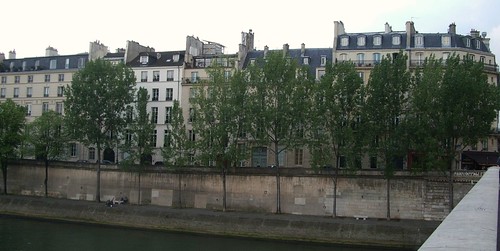
Renting an apartment in France can be tricky. Most landlords in France demand
proof of income and you may have to provide the name of a
guarantor, a
co-signer, who will be named in the contract and who will be responsible for your rent in the event that you can't pay it. You will also need to have one month's rent as a
deposit and a proof of a comprehensive household
insurance certificate.
An in-depth list of the requirements is
here on
Anglo-Info's website.
If you don't plan on bringing all of your furniture and household goods with you, a furnished, equipped home will make your arrival and transition much easier. There are many agencies and individuals offering long term, furnished apartment rentals in big cities like Paris and Lyon, and scattered all over France are furnished vacation homes called
gîtes. Gîte owners sometimes offer long term rentals over the autumn and
winter months, which can be a perfect way to get to know a region and have a comfortable place to stay while looking for property to buy.
There are literally hundreds of property rental websites out there to investigate. Here are a few to get you started.
Paris Attitude
Craigslist (and how to avoid the
scammers)
FUSAC
pap (in French)
Holidays France Rentals
Gîtes de France
the regional classifieds on
AngloInfo

Buying a home in France is a fairly straightforward procedure.
You find the house you want, make an offer, get the inspections done and verify what belongs to the house (both inside and out), find a good
notaire, sign the
compromis de vente, wait for the 7 day buyer's remorse period to pass, pay your deposit and wait to sign the
acte de vente. Then you take your keys and move in!
Well, there might be extra steps involved, if you require a mortgage for instance, but buying a house here isn't as daunting as many think.
Expatica France has compiled an excellent and thorough article about the entire process.
Mortgages are available to foreigners, usually requiring a 20-30% down payment. I'm unfamiliar with the exact procedure so here are some helpful links.
BNP-Parisbas
Finance in France
Mortgage France
An important thing to remember if you buy a house that requires any renovation work -
get an estimate. Heck, get two or three. Keep in mind however, that in old houses estimates don't take into consideration those petite surprises that you sometimes find behind the walls. Unless you are planning to be there while the renovation work is going on and you speak fluent French, you will also need to find a knowledgeable person to oversee your project.
Stay tuned for
Part Four of the tutorial next week.
 Please note: Some of my posts may contain affiliate links, meaning if you click over and purchase something, I will receive a very small percentage of the purchase price (at no extra cost to you) which goes towards maintaining Chez Loulou. Thank you in advance!
Pin It